Dé hAoine, Nollaig 31, 2010

An Teanga agus Polaitíocht na hAislinge Bréige
31/12/2010
(English version follows)
Straitéis 20 Bliain / 20-Year StrategySheol Brian Cowen Straitéis 20 Bliain don Ghaeilge de chuid rialtas na Sé Chondae Fichead i mBaile Átha Cliath Dé Máirt [21ú Nollaig], i ndiaidh don straitéis tacaíocht d’aonghuth a fháil i dTeach Laighean ar 18ú Samhain.
Díríonn an straitéis ar ocht réimse – oideachas; an Ghaeltacht; an teaghlach; riarachán, seirbhísí agus pobal; na meáin agus teicneolaíocht; foclóirí; reachtaíocht agus stádas; agus saol eacnamaíochta – agus leagadh amach í le cur i gcrích i ceithre chéim, ó bhunú go comhdhlúthú. Sa dréachtleagan den straitéis bhí clár ama sainiúil ag dul leis na céimeanna go léir, ach baineadh iad ón leagan deiridh.
Is maolaisnéis í cur síos ar an straitéis seo mar uaillmhianach – is í an phríomhsprioc líon na ndaoine a labhraíonn Gaeilge go laethúil sna Sé Chondae Fichead a mhéadú ó 83,000 go 250,000 faoin bhliain 2030. Chiallódh seo méadú 5.7 faoin chéad i líon na gcainteoirí gach bliain. I gcomparáid, bhí plean gnímh na Breatnaise Iaith Pawb [Teanga Chách] ag dúil le méadú cúig faoin chéad i líon na gcainteoirí Breatnaise thar thréimhse deich mbliana.
Dúirt tuarascáil a d’fhoilsigh Fiontar anuraidh ar an dréachtstraitéis gur tháinig figiúr an 250,000 ó iar-aire Gaeltachta na Sé Chondae Fichead, Éamon Ó Cuív, agus nach raibh na sonraí sochtheangeolaíochta ann le tacú leis an réamh-mheastúchán.
Príomhsprioc eile atá an ag straitéis ná líon na ndaoine a labhraíonn Gaeilge go laethúil sa Ghaeltacht a mhéadú 25 faoin chéad. Ach tá an eagraíocht le cúram ar fhorbairt na Gaeltachta, Údarás na Gaeltachta, tá an eagraíocht le leasú faoin scéim mar Údarás na Gaeilge agus na Gaeltachta, le freagracht acu ar sheachadadh na straitéise ar fud na Sé Chondae Fichead. Gan amhras fágfar sainriachtanais na Gaeltacht ar lár i scuabáil an mhaorlathais nua agus leanfar le meathlú fada phobail na Gaeltachta.
Cé go bhfuil a laigí ag an straitéis féin, tugadh isteach í le haghaidh díospóireachta i dTeach Laighean ar an lá céanna a d’fhógair Brian Lenihan teacht an IMF, an Bhainc Cheannais Eorpaigh agus a gclár oibre nualiobrálach. Sa Cháinaisnéis a maíodh ar 7ú Nollaig, scoradh maoiniú Roinn Gnóthaí Pobail, Comhionannais agus Gaeltachta na Sé Chondae Fichead a bhaineann le cúrsaí Gaeltachta agus oileán 42 faoin chéad, ó €69 milliún [£59 milliún] go €40 milliún [£34 milliún]. Cuimsíonn seo ísliú dhá thrian ar bhuiséad chaiteachas caipitiúil Údarás na Gaeltachta, ó €18 milliún [£15 milliún] go €6 milliún [£5 milliún].
Bhí laghdú 36 faoin chéad chomh maith i mbuiséad Chiste na Gaeilge de chuid na roinne, ciste a mhaoiníonn grúpaí pobail agus cultúrtha ar fud na Sé Chondae Fichead. Gearradh buiséad Oifig an Choimisinéara Teanga, a dhéanann maoirseacht ar chuir i bhfeidhm reachtaíocht na Gaeilge, gearradh é 16 faoin chéad. Leiríonn sé i ndáiríre go bhfuil sé le cruthú fós cén dóigh a gcuirfear an straitéis 20 bliain i gcrích má tá na heagraíochtaí ábhartha ag streachailt lena ndualgais a chomhlíonadh fiú anois.
Ag seoladh an straitéise, dúirt Brian Cowen go gcuirfí €1.5 milliún [£1.3 milliún] i leataobh le haghaidh chur i gcrích na chéad bliana den straitéis. Níl san fhigiúr ach comhartha agus ní mór féachaint go seasann sé do straitéis chomharthach. Cé gur léirigh na páirtithe bunaíochta go léir i dTeach Laighean a dtacaíocht don straitéis, is fiú cuimhneamh nach raibh riamh aon easpa béalghrá don Ghaeilge sna Sé Chondae Fichead. Níl aon ghealltanas ann ach oireadh go mbeidh an straitéis mar chuid de chlár oibre an chéad rialtais Átha Cliath eile, go háirithe rialtas a bheas ag oibriú faoi choimirce an IMF agus chlár oibre ar cuma leis faoi rud ar bith nach féidir a thráchtearrú agus a dhíol go héasca.
Pádraig PearseD’fháiltigh pobal na Gaeilge roimh fhoilsiú na straitéise 20 bliana go ginearálta, cé gur léirigh siad imní faoi cheisteanna ar nós an easpa sonraí sa straitéis féin, chomh maith leis an dóigh a maoineofar í.
Tá aitheantas ann go bhfuil straitéis nua agus radacach de dhíth le meath na bpobal Gaeltachta a aisiompú agus leis an teanga a athbheochan, chomh maith leis an toil chun í a chur i gcrích. Ní thiocfaidh seo ó pháirtithe polaitiúila atá faoi mheirse aicme eacnamúil ghaimbín, ach ó pobail Ghaeilge agus Ghaeltachta ar fud na tíre a thugann aird ar fhís an Phiarsaigh ar Éirinn “ní amháin saor, ach Gaelach chomh maith; ní amháin Gaelach, ach saor chomh maith”.

 An Teanga and the Politics of the Pipe Dream
The Twenty-Six County government’s 20-Year Strategy for the Irish Language was launched by Brian Cowen in Dublin on Tuesday [December 21], the strategy having received unanimous support in Leinster House on November 18.
The strategy focuses on eight areas – education; the Gaeltacht; the family; administration, services and community; media and technology; dictionaries; legislation and status; and economic life – and is designed to be implemented in four stages, from establishment to consolidation. The draft version of the strategy contained specific time frames for each of the stages, though these have been removed from the final version.
To refer to the strategy as ambitious would be an understatement – the key target is to increase the number of people who speak Irish on a daily basis in the Twenty-Six Counties from 83,000 to 250,000 by the year 2030. This would mean an increase of 5.7 per cent in the number of speakers every year. In comparison, the Welsh language action plan Iaith Pawb [Everyone’s Language] sought an increase of five per cent in the number of Welsh speakers over 10 years.
A report published by Fiontar last year on the draft strategy stated that the 250,000 figure had come from former Twenty-Six County minister for the Gaeltacht Éamon Ó Cuív, and that there was no sociolinguistic data to support the projection.
Another key target of the strategy is to increase the number of people who speak Irish on a daily basis in Gaeltacht areas by 25 per cent. However, the organisation that was tasked with the development of the Gaeltacht, Údarás na Gaeltachta, is to be reformed under the scheme as Údarás na Gaeilge agus na Gaeltachta, with responsibilities for delivering the strategy throughout the Twenty-Six County state. The specific needs of Gaeltacht areas will undoubtedly be lost in the shuffle of this new bureaucracy and the long decline of Gaeltacht communities will inevitably continue.
While the strategy itself has weaknesses, it also happened to be introduced for debate in Leinster House on the same day that Brian Lenihan announced the arrival of the IMF, the European Central Bank and their neo-liberal agenda. In the budget announced on December 7, the funding for the Twenty-Six County Department of Community, Equality and Gaeltacht Affairs relating to the Gaeltacht and the islands was slashed by 42 per cent, from €69 million [£59 million] to €40 million [£34 million]. This includes the capital expenditure budget of Údarás na Gaeltachta being reduced by two-thirds, from €18 million [£15 million] to €6 million [£5 million].
Brian CowenThere was also a 36 per cent reduction in the budget of the department’s Ciste na Gaeilge [Irish Language Fund], which funds community and cultural groups throughout the Twenty-Six Counties. The Office of the Language Commissioner, which oversees the implementation of Irish language legislation, also saw its budget cut by 16 per cent. These cuts beg the serious question of how the 20-year strategy is going to be implemented if the relevant organisations are struggling to carry out their duties even now.
At the launch of the strategy, Brian Cowen made a point of stating that €1.5 million [£1.3 million] would be set aside for the implementation of the first year of the strategy. The figure is tokenistic and is representative of what has to be looked upon as a tokenistic strategy. Although all the establishment parties in Leinster House have expressed their support for the strategy, it’s worth noting that there has never been any shortage of lip service to the Irish language in the Twenty-Six Counties. There is also no guarantee that it will be part of the agenda of the next Dublin government, especially a government that will operate under the auspices of the IMF and an agenda that cares little for anything that can’t easily be commoditised and sold off.
The Irish language community have generally welcomed the publication of the 20-year strategy, though they have expressed concern over issues such as a lack of detail in the strategy itself, as well as how it will be funded.
There is a recognition that a new and radical strategy is needed to reverse the decline of Gaeltacht communities and to revitalise the language, along with the will to implement it. These will not come from political parties in thrall to a gombeen economic class, but from Irish language and Gaeltacht communities throughout the country who take heed of Pearse’s vision of an Ireland “not free merely, but Gaelic as well; not Gaelic merely, but free as well”.

Dé Céadaoin, Nollaig 29, 2010

Child Report a Damning Indictment

29/12/2010

The spokesperson for éirígí in Donegal has said that the report released recently by the office of the Minister for Children and Youth Affairs entitled “State of the Nations Children, Ireland 2010” is a damning indictment on the political system in Ireland. Claiming that the report highlights that children in Ireland have been systematically let down by a string of administrations, Micheál Cholm Mac Giolla Easbuig said that complete reform of the system in this country was the only way to give children a better standard of living.

“This report shows clearly in black and white the result of a long list of successive governments sitting in Lenister House who have consistantly let the children of the Twenty-Six Counties down over many years” the éirígí spokesperson said. “Children are the most vulnerable of all in any society and they must be protected at all costs, for their own good and that of the nation. Many claim that poverty and lack of good education leads to the hardships many children in society face. But when we get down to the bare bones of the matter what leads to children being in poverty in the first place is the capitalist system that has consistantly fed itself off the misery of the poorest in society.

“Every political party that has sat in government in the Twenty-Six Counties has backed up that capitalist system, a system which seen people as no more than another commodity and as with most cases it is the children who have suffered the most. When education costs money and health care costs money, as it does thanks to capitalism, then the poorest and most vulnernable suffer and ultimately the children bare the brunt” he continued.

“The figures in this report for Donegal in particular are shocking. But the system we have has led to the unemployment figures in this county standing at well over 20,000 and the poverty such a lack of employment causes has a massive affect on our children. And now with the IMF insisting that third level education in this country will only be a luxury for the wealthiest then what possible chance do the children of the unemployed have? Such capitalist thinking leads to an endless spiral of poverty through generations with no end in sight. Without a complete dismantling of the current system in the Twenty-Six Counties and a fair and just system introduced which truely does cherish the children of our nation equally, then our children have no future but one of poverty and deprivation unless they are born into wealth. Unless the capitalist ideologies of our governments are replaced with ones of social equality then we are destined to see many more similar reports in the future.”

Dé Luain, Nollaig 27, 2010

Is leis na daoine talamh an BSL

27/12/2010

(English version follows)

Bhí an páirtí sóisialach poblachtánach éirígí géar lena cháineadh faoi mholtaí ón BSL (ESB) chun talamh a dhíol atá faoina n-úinéireacht féin don mhargadh príobháideach. Tagann na ráitis i ndiaidh na nuachta go bhfuil an BSL tar éis díreach níos mó ná 31 acra talaimh i nGaoth Dobhair a chur ar díol. Is é an áisíneacht atá ag díol an liosta réadmhaoine seo faoi láthair ná Campell's Estate Agents ar an Chlochán Liath, Co. Dhún na nGall, agus tá réimse méideanna sna ceithre mhír ó 1.31 acra go 14.9 acra.

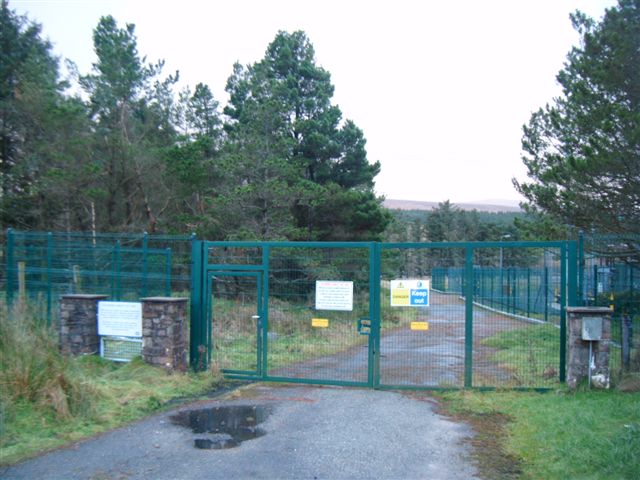
Site of the old Gweedore Power Station
Tá an talamh i dtrácht suite i gceantair Ghaoth Dobhar agus Dhún Lúiche agus is é ceann de na míreanna atá ar díol ná suíomh an chumhachtstáisiúighiniúna le móin atá díchóimeáilte anois, i nGaoth Dobhair a d'úsáid móin lámhghearrtha ó fhoinse áitiúil. Tá bealach isteach ag roinnt de na míreanna chuig cladach locha áitiúla chomh maith le éadanas bóthair go dtí an N56, atá ina bhealach artaireach ag ceangailt an-chuid d'iarthair na tíre.

Ag labhairt maidir leis an díolúchán talaimh, dúirt urlabhraí éirígí i dTír Chonaill, Mícheál Cholm Mac Giolla Easbuig, gur chóir stop a chur leis an díolúcháin láithreach. Mhaígh sé gur thalamh faoi úinéireacht stáit atá ann go fírinneach toisc go bhfuil sé liostáilte mar réadmhaoine an BSL, toisc gur chomhlacht fo-stáit atá ann ar a bhfuil an rialtas an scairshealbhóir is mó.

"Is sampla príomha é an díolúchán talaimh seo ag an BSL d'idé-eolaíocht iad siúd atá ag reachtáil na tíre seo, go gcaithfear riachtanas an phobail a íobairt chun leas a thabhairt don infheisteoir príobháideach" a deir an tUasal Mac Giolla Easbuig. "Is cúis náire é go bhfuil iompar den saghas seo ag leanúint ar aghaidh i ndiaidh na praisí ina bhfuil an eacnamaíocht anseo sna Sé Chontae Fichead. Tá sé go huile is go iomlán mí-cheart díolúchán sócmhainní an stáit agus ba chóir dóibh siúd i dTeach Laighean é a stopadh láithreach."

"Chonaic muid cheanna féin an rialtas ag ligeaint do chomhlachtaí príobháideacha leas a bhaint as saibhreas nádúrtha an stáit i bhfoirm tabhartais in aisce €540 billiún de luach ola agus gáis don leithéad d'Ola Shell. Agus fiú i ndiaidh na fianaise treascaí gur theip ar an gcóras caipitleach in Éirinn mar gheall ar an rialtas ag spreagadh amhantraithe réadmhaoine chun gach rud atá le feiceáil a cheannach ar son bhrabúis phríomháidigh amháin, iompar a chuaigh go dtí an bolgán réadmhaoine, arís eile tá an stát ag díol talaimh don tairgeoir is mó, talamh a bhaineann leis na daoine mar is ceart."

Chuir Mac Giolla Easbuig leis "Le dífhostaíocht ard anseo i nDún na nGall agus anseo i gceantar Ghaoth Dobhar is sóchmhainn luachmhar phoiblí é an talamh seo agus ba chóir é a úsáid dá réir sin. Ba chóir don BSL na suíomhanna a ghlanadh amach d'aon éilliúchán atá fágtha i ndiaidh a n-úsáide agus an talamh a thabhairt ar ais don phobal ionas go mbeidh siadsan ábalta cinneadh a dhéanamh ar cén úsáid is fearr atá ann dó. Ní chóir tuilleadh céimeanna a thógaint go dtí go dtéitear i gcomhairle leis an phobal i gceart. I gcomhair pé rud a úsáidfear é is é an bunlíne ná gur leis na daoine an talamh seo agu ní chóir é a dhíol i gcomhair brabúis phríomháidigh."


ESB Land Belongs to the People

The socialist republican party éirígí have been scathing in their criticism of proposals from the ESB to sell land currently under its ownership to the private market. The comments come in the wake of news that the ESB has put just over 31 acres of land in the Gweedore area up for sale. The agent selling this current list of property is Campbell's Estate Agents in Dungloe, County Donegal, and the four lots range in size from 1.31 acres to 14.9 acres.

One of the sites for sale by ESB
The land in question is situated in the Gweedore and Dunlewy areas and one of the lots for sale is the site of the now dismantled turf fired power generating station in Gweedore which used locally sourced hand-cut turf. Some of the lots also have access to the shore of a local lake as well as frontage onto the N56, which is a main arterial route linking much of west of the county.

Speaking in relation to the land sale, spokesperson for éirígí in Donegal, Micheál Cholm Mac Giolla Easbuig said that the sale should be stopped immediately. He claimed that the land was in effect state owned land as it is listed as property of the ESB, a semi-state owned company of which the government is the majority shareholder.

“The sale of this land by the ESB is just another prime example of the ideology of those who run this country that the need of the public must be sacrificed to benefit the private investor” Mr Mac Giolla Easbuig said. “It is a disgrace that such behaviour continues after the mess the economy is in here in the Twenty-Six Counties. Selling off state assets is wholly wrong and those in Lenister House should bring a halt to it immediately."

“We've already seen the government allow private companies to benefit from the states natural wealth in the form of the giving away of €540 billion worth of oil and gas to the likes of Shell Oil. And even after the overwhelming evidence that the capitalist system failed in Ireland due to the government encouraging property speculators to purchase everything in sight solely for private gain, behaviour which led to the property bubble, here we have once again the state selling off land to the highest bidder, land which rightly belongs to the people.”

MacGiolla Easbuig added “With high unemployment in Donegal and here in the Gweedore region this land is a valuable public asset and should be used accordingly. The ESB should clear the sites of any contamination that may remain after its use and hand the land back to the community for them to decide what the best use for it is. No further steps should be made until the local community has been properly consulted. Whatever it is used for the bottom line is that this land belongs to the people and it should not be sold off for private profit."


Dé hAoine, Nollaig 24, 2010

From Socialism Alone Can the Salvation of Ireland Come
24/12/2010
éirígíWhen éirígí was established as a campaigns group in April 2006 it did so as an avowedly socialist republican organisation, founded upon the principles of that champion of revolutionary socialism in Ireland, James Connolly.
The activists who ultimately founded éirígí had first asked themselves two questions: Was the objective of a socialist republic still relevant in today’s world? And if so, was there a need for a new political organisation to fight for the creation of that republic? With the answer to both these questions being a definitive yes, éirígí came into existence.
Four and a half years later, the party has reached another significant milestone with the publication of a major ideological policy paper. From Socialism Alone Can the Salvation of Ireland Come is not only an important development for éirígí as a political party; it is also an important for the development of socialist republicanism in Ireland.
From Socialism Alone Can the Salvation of Ireland Come does not simply reject capitalism in all of its forms; it also sets out éirígí’s vision of an alternative society based upon the public ownership of the means of production, distribution and exchange.
Over the course of the last century many Irish republicans have come to the conclusion that an Ireland which remained capitalist post a British withdrawal would not really be free at all. And éirígí is proud to follow in that tradition, to follow in the footsteps of organisations such as the Irish Socialist Republican Party and the Republican Congress and of individuals like Peadar O’Donnell, Liam Mellows, Constance Markiewicz, Frank Ryan and Mairéad Farrell.
However, From Socialism Alone Can the Salvation of Ireland Come is not just about éirígí taking its place in Ireland’s revolutionary tradition. It is also about changing the parameters of debate in republican Ireland and beyond. It is about building the theoretical foundations for a powerful movement in Ireland that will be uncompromisingly republican and socialist. A revolutionary republican movement that has class politics at the core of its analysis, a movement that will never again commit the mistakes of militarism, constitutionalism or the pernicious notion that labour ‘must wait’.
The process by which éirígí developed and adopted From Socialism Alone Can the Salvation of Ireland Come was itself an example of the type of participative democracy that éirígí wishes to see at the heart of a new socialist Ireland. This process saw an initial draft debated by the entire membership within their respective local Ciorcail (branches). Each individual member was afforded the right to suggest deletions, additions and amendments to the document.
Once the first round of discussion had been completed a second draft of the paper, based upon the feedback received from the membership, was drafted. This second draft was then circulated to the entire membership and again debated within the local Ciorcail. The feedback from this second round of discussions informed the drafting of the third and final draft of From Socialism Alone Can the Salvation of Ireland Come.
For the first time a dispersed voting procedure was used which saw members voting at meeting of their local ciorcal on whether to adopt or reject the paper. As with all major strategic and policy issues each member of the party had an equal vote. The result of this vote saw the paper being unanimously adopted.
While the process of developing and adopting From Socialism Alone Can the Salvation of Ireland Come took a number of months to complete, it was time well spent. éirígí’s unique decisions-making process, as contained within Bunreacht éirígí, places consensus building at the heart of a process of decision making.
Many Irish republican and socialist organisations are based upon outdated and anti-democratic ‘top-down’ models of decision-making. Such models are inherently unstable, leading to leadership cliques and internal divisions. Organisations which use delegate based organisational models, pressure cooker conferences and artificial deadlines to make decisions are invariably corrupted by leaderships who think they know better than their memberships.
Announcing the public launch of From Socialism Alone Can the Salvation of Ireland Come, cathaoirleach éirígí Brian Leeson said: “Ireland today is at a crossroads. We can continue down the path of capitalism and imperialism that has partitioned our country, exploited our population and impoverished our communities or we can strike out for a better future based upon national independence and socialism.
“From Socialism Alone Can the Salvation of Ireland Come correctly asserts that the only option that will work for the vast majority of the Irish people is that of independence and socialism.
“There can be no compromise between the exploiter and the exploited. It is a matter of their prosperity or ours – the slave owner and the slave cannot be prosperous together.
“éirígí is under no illusions as to the mammoth scale of the task that has been set out in this document. It is the same task that confronted the men and women of 1916 and it is the same task that confronted the thousands of republicans who fought the struggle over the last 40 years – it is about nothing less than the re-conquest of Ireland by the working people of Ireland.
“We need to start small while thinking big. We need to organise in our communities, in our workplaces, in our places of education, in our homes and on our streets. We need to make the argument with every single person who has no vested interest in the current rotten system that there is a better way and a better destination. There is a system that the working people of Ireland can have a stake in – that system is socialism and the time to start fighting for that system is now.”
To read From Socialism Alone Can the Salvation of Ireland Comeclick here.
Chun Ón Sóisialachas Amháin a Thiocfas Slánú na hÉireann a léamh, cliceáil anseo.

Dé Céadaoin, Nollaig 22, 2010

éirígí Slam Vote on IMF Deal as a Sham
22/12/10
Cathaoirleach éirígí Brian Leeson has described last week’s vote on the IMF deal in the Twenty-Six Counties as a sham following the discovery of shocking new details contained within the latest IMF ‘country’ report published on December 17, several days after Leinster House backed the deal.
Brian Leeson
Cathaoirleach éirígí Brian Leeson
The document outlines plans to:
  • Means test child benefit payments by 2014
  • Cut the rate of state pension
  • Abolish the current student grant scheme in favour of student loans
  • Further increase third level student fees
  • Introduce further cuts to unemployment payments.
These new proposals are in addition to those outlined in the four-year austerity plan, which will impose a host of new stealth taxes, including the doubling of carbon tax to €30 [£25] per tonne, the introduction of water charges, a tax on family homes, along the rate VAT being increased to 23 per cent. All of these measures will be imposed by 2014.
Leeson said: “Households are already reeling from the savage cuts announced in Budget 2011. The revelation that, in addition to the destructive plans announced in the so-called Recovery Programme, child benefit will be means tested, state pensions cut, the student grant scheme abolished, third level fees increased further, and additional cuts in unemployment payments will come as a deep shock to households across the Twenty-Six Counties that are already struggling.
“The IMF has blazed a trail of destruction across the globe; the odious measures it imposes simply increase levels of poverty and inequality.”
Leeson also slammed the undemocratic nature of the deal.
“It is increasingly clear that Dublin government policy is being dictated by faceless IMF bureaucrats in Washington and rubber-stamped by a lame duck administration in Leinster House,” he added.
“The people who are being sold into penury to save the banks have no absolutely no control over how this state is run.
“The sham debate about this criminal deal that took place in Leinster House made no mention of the fact that child benefit would be means tested or that the student grant scheme is to be abolished. Brian Lenihan made much of the fact that Budget 2011 did not cut the state pension rate, but he cynically neglected to mention the fact that pensioners will face those cuts by 2014. This state is now effectively an IMF dictatorship: a dictatorship that will drive hundreds of thousands of our people into poverty and misery.”
The IMF report also confirms there are 70,000 distressed mortgages and shamefully proposes that those unable to meet their repayments simply declare insolvency, surrender their homes and seek to access social housing [Page 20 IMF Country Report No. 10/366].
Leeson continued: “What planet are the IMF living on? There are already over 50,000 households on council waiting lists across the Twenty-Six County state. Where are all of these evicted families to be housed? The IMF is proposing mass evictions in Ireland so that German and British banks can recover the hundreds of billions they are owed. Poverty and homelessness is the price working people will pay in order to clear the gambling debts of the bankers.
“These latest revelations will add to the growing well of anger building against this government and its masters in the IMF. The IMF has effectively declared war on working class communities across the Twenty-Six Counties. The people of Ireland have a proud history of resisting foreign occupation and tyranny.
“The IMF must be driven out, the bondholders burned and the sovereignty of the people restored."

The 30ft anti-IMF banner erected by éirígí Tir Chonaill
in Crolly, Co.Donegal.
éirígí Tir Chonaill spokesperson Micheál Cholm Mac Giolla Easbuig echoed Leeson's comments saying that working people should not be made to suffer in order to support the banks. "The shameful acts of those in Lenister House, allowing such brutal cuts to be made against the most vulnerable in our society and the ordinary working people who had nothing to do with the creation of this economic crisis, must be resisted" he said. "People must let their anger be heard in one loud clear voice that we will not pay for the mistakes of the bankers and their cohorts who have made the ordinary people suffer to keep their greedy capitalist system alive."


Dé Domhnaigh, Nollaig 19, 2010


Protest at Sligo FF office Calls for Reversal of Savage Budget Cutbacks

19/12/2010

SWA protest outside Fianna Fáil office in Sligo
The Socialist Republican party éirígí have said that the savage cutbacks imposed on workers, social welfare recipients and on essential public services will result in a massive increase in poverty, illness and death, on a scale not seen before in this state.

Local activist Gerry Casey said that only through widespread street protests, strikes and mass civil obedience would these cutbacks be reversed and the IMF sent packing from our shores.

Mr Casey was speaking following a demonstration on Saturday (Dec 11) outside the office of Fianna Fáil TD Jimmy Devins in John Street Sligo.

The demonstration was organised by local campaign group Sligo Workers Alliance (SWA), a broad-based Left-Wing organisation formed earlier this year representing the interests of workers, the unemployed, pensioners and the Marginalised in society. The protest was called in response to the savage cutbacks imposed by the Fianna Fáil/Green Party Coalition, in collusion with the International Monetary Fund (IMF), in the budget released earlier this month.

éirígí activist Gerry Casey at
the protest in Sligo
Speaking following the protest, Sligo éirígí activist Gerry Casey, who is also a member of the Sligo Workers Alliance, said: “The savage cutbacks imposed in this budget was a declaration of war on working class communities and the poorest and most vulnerable in society. As a result we will see a massive increase in poverty, illness and death, on a scale not seen before in this state.”

“This budget was about making workers and working class communities bail out the banks and to pay off the private gambling debts of bondholders, bankers and developers. None of the cuts were necessary or made economic sense but were instead focused on ensuring that the wealthy political and business elite maintained their lavish and extravagant lifestyles.”

Casey added: ”This budget made the rich richer and the poor poorer. No attempt was made to introduce a wealth tax on the 1% elite who control 34% of our wealth. No attempt was made to nationalise our natural resources which are worth a minimum of €400 billion euro making any excuse for cuts redundant.”

Casey concluded: “The protest in Sligo was the start of a campaign locally against these cuts. Only through widespread street protests, strikes and mass civil disobedience will these cutbacks be reversed and the IMF sent packing from our shores. Not only must we remove the current administration in Leinster House, more importantly we need to dismantle their capitalist system which is responsible for the increasing exploitation of workers, the ongoing drive to slash and privatise essential services and the neglect of the most vulnerable in society who need assistance and care."

Meanwhile the spokesperson for éirígí in Donegal, Micheál Cholm Mac Giolla Easbuig, welcomed the news of the protest in Sligo and reiterated Mr Casey's comments saying that street protests were an important action for people to take to let their voices be heard.

Some of the protesters outside the Fianna Fáil
office in Gortahork
"I commend the people who took part in the protest in Sligo for making sure their voice of opposition, not only to this latest budget, but also to the capitalist system which has caused so much hardship for the ordinary people, was heard loud and clear" he said. "Those in Lenister House who have caused the economic mess we have now been left in would be happy if we just stayed at home and kept our mouths shut so they could continue with their savage attacks on the must vulnerable in society. But we will not stay at home and we will not be silenced."

Mr Mac Giolla Easbuig concluded "This protest in Sligo, just like the eirígí protest outside the Fianna Fáil office in Dungloe on December 7th, and the protest outside another Fianna Fáil office in Gortahork which éirígí Tir Chonaill supported, was held with the clear intention of letting the ordinary person voice their anger and opinion against a corrupt system which only has the interests of the wealthy at its heart. The people must continue to let themselves be heard and street protests, strikes and mass civil disobedience is a good way to do just that."